
Why Bone Density Matters for Dental Implant Success

Most people researching tooth replacement options focus on cost and timeline first when looking for dental implants near me. The bigger gatekeeper, though, is something far less visible: whether your jawbone has enough density and volume to actually hold an implant in place.
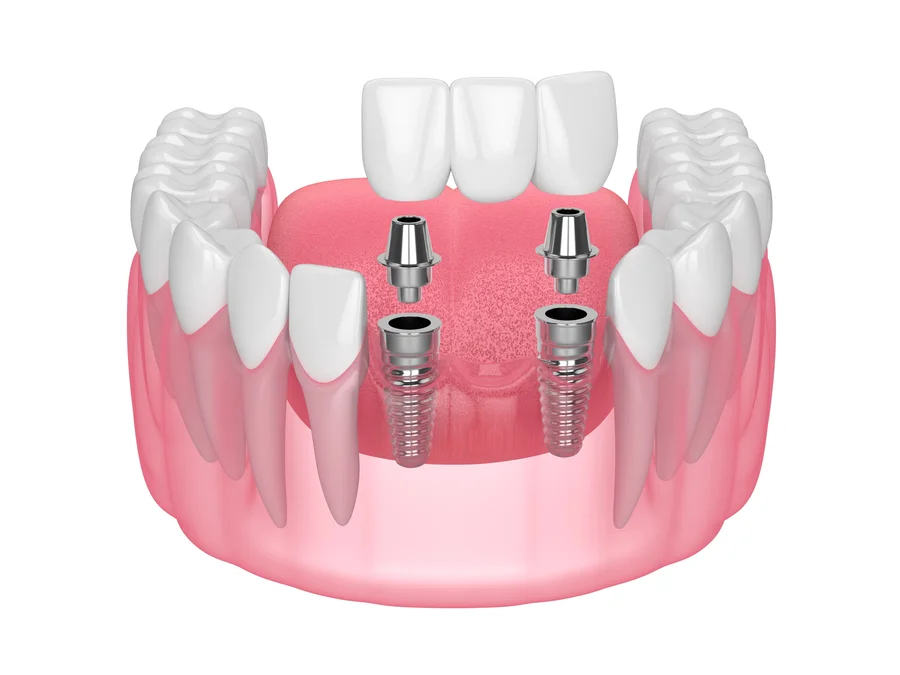
What Osseointegration Actually Requires
A dental implant is not just drilled into place and left there. It relies on a process called osseointegration, where the titanium post gradually fuses directly with living bone tissue over several months, creating a foundation stable enough to support a replacement tooth for years.
That fusion only works if there is enough healthy bone surrounding the implant site to begin with, which is exactly why candidacy for dental implants near me searches typically comes down to bone health more than almost anything else.
Thin or soft bone cannot securely hold the implant, increasing the risk of the implant loosening or failing even after it initially appears to heal.
Why Bone Loss Happens After Losing a Tooth
Bone density around a missing tooth does not stay the same over time. Once a tooth is gone, the jawbone in that area no longer receives the regular pressure and stimulation that chewing once provided. The body gradually resorbs that bone since it is no longer being used for its original purpose.
This process can continue for years after a tooth is lost, which is part of why someone who has been missing a tooth for a decade often has noticeably less bone available than someone who lost a tooth more recently.
It is also why dentists generally recommend addressing a missing tooth sooner rather than later, even when there is no pain or obvious urgency pushing the decision.
What Happens If Your Bone Density Is Low
Low bone density does not automatically rule out dental implants. According to the American Association of Oral and Maxillofacial Surgeons, a bone graft can rebuild the area with either your own bone or a specialized grafting material, giving the jaw time to grow strong enough to support an implant.
That healing process typically takes several months, though a minor graft is sometimes performed at the same time as the implant surgery, depending on how much additional bone is needed.
A dental exam that includes X-rays is usually the first step in figuring out which situation applies to you, since imaging shows bone volume in a way a visual exam alone cannot.
Alternatives If Grafting Isn't Right for You
Not everyone wants to add months to their graft timeline, and that is a reasonable position, depending on your situation.
Traditional dentures remain a solid option for patients who would rather skip grafting altogether, and implant-supported dentures can sometimes work with less bone than a full set of individual implants would require, since the load gets distributed differently across fewer anchor points.
Which option actually makes sense depends heavily on how much bone remains, so this is usually a conversation rather than a decision made before an exam.
A thorough evaluation usually covers more than just a quick look in your mouth.
- X-rays or 3D imaging to measure the actual bone volume at the implant site
- A review of how long ago the tooth was lost, if applicable
- Your overall health history, since conditions like diabetes can affect healing
- A discussion of whether grafting, a different implant approach, or dentures fits your goals best

Ready to Find Out About Dental Implants Near Me That Fit Your Situation?
Bone density is just one piece of the candidacy puzzle, and the only way to know where you stand is a real evaluation rather than guessing. Our dentists at Forest Park Dental can assess your bone health and walk you through all your options, including grafting if needed.
Contact us today to schedule a consultation.
